Preventive maintenance is easy to overlook because it rarely feels urgent. The car starts, the brakes stop, the tires hold air, and nothing on the dashboard is yelling for attention.
That quiet stretch can be misleading.
Most repair problems start as small changes before they become obvious. A weak battery, low fluid, worn brake pads, a dirty filter, or a small leak can go unnoticed during daily driving until the vehicle finally gives you a reason to notice. Preventive maintenance helps catch those issues while they are still manageable.
Preventive Maintenance Is About Timing
The main idea behind preventive maintenance is simple: take care of parts before they fail and create larger problems. It is not about replacing good parts too early. It is about checking wear, fluid condition, service history, and early symptoms before they leave you with fewer options.
Oil changes, tire rotations, brake checks, fluid services, battery tests, belt checks, hose checks, and filter replacements all fit into that plan. These services help protect the parts that keep the vehicle reliable every day.
A good maintenance schedule should match the vehicle, mileage, age, and driving habits. A commuter car, family SUV, work truck, and older vehicle with higher mileage should not all be treated the same way.
Oil Changes Protect More Than The Engine
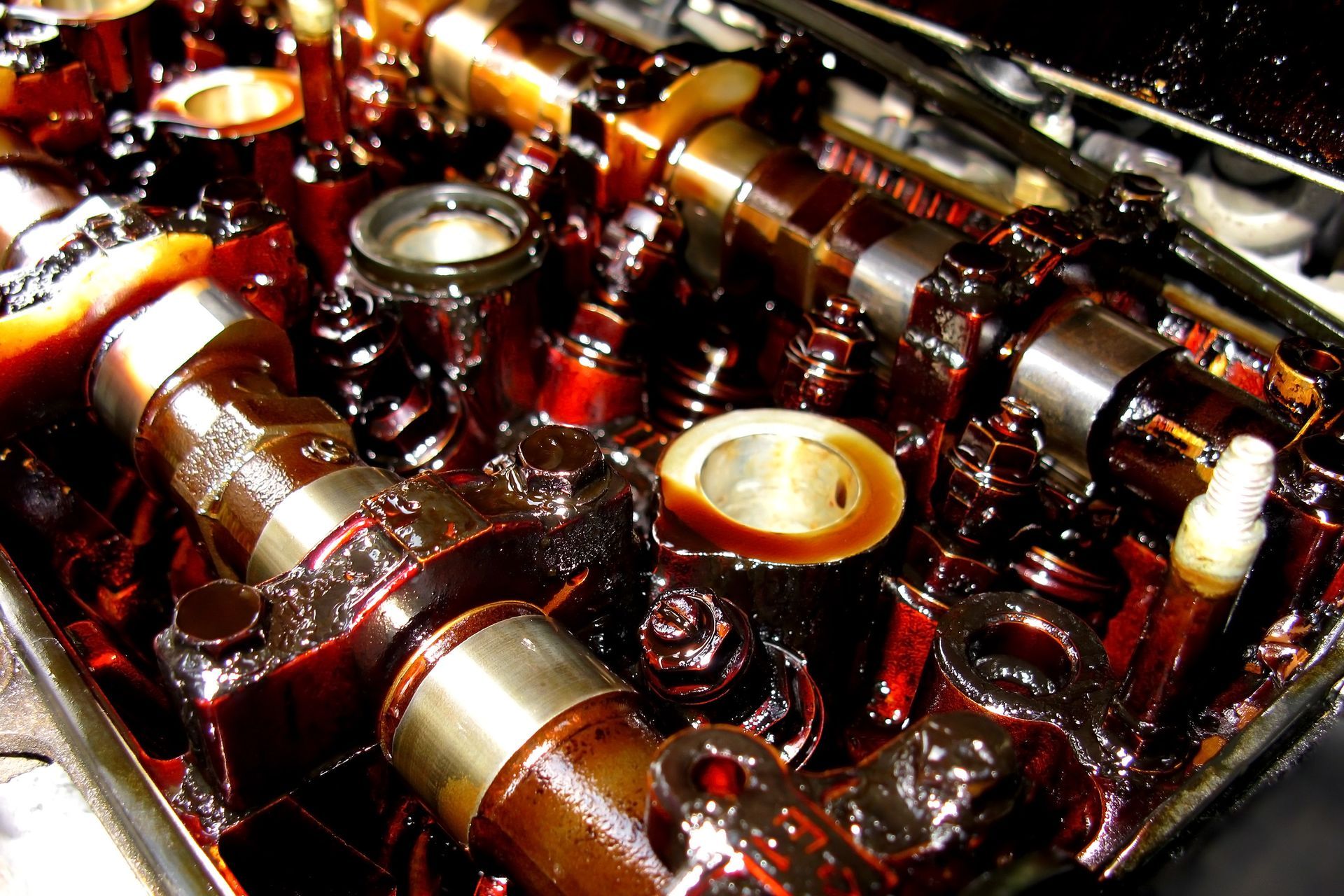
Oil change service does more than replace old oil. Fresh oil helps protect bearings, camshafts, timing components, pistons, turbochargers on equipped vehicles, and other internal engine parts.
Old oil can thicken, collect contaminants, and lose some of its ability to handle heat. Low oil can create even more risk. The engine may still sound normal while wear is increasing inside.
During an oil change, the vehicle can also be checked for leaks, worn belts, low fluids, damaged hoses, and other early concerns. That quick look can reveal problems the driver has not noticed yet.
Brake Checks Should Happen Before Noise
Many drivers wait for brake noise before scheduling service. That can make the repair more expensive than it needed to be. Brake pads are designed to wear, but they should be replaced before the metal backing contacts the rotors.
Squealing, grinding, vibration, pulling, a soft pedal, or a hot smell near one wheel are all signs the brake system needs attention. Still, the best time to check brakes is before those symptoms become obvious.
A proper brake inspection looks at pads, rotors, calipers, hoses, hardware, and brake fluid. Pad thickness is important, but the way the parts move and wear tells a bigger story.
Tires Need More Than Air
Tires affect steering, braking, ride comfort, traction, and fuel economy. Keeping them inflated is important, but pressure is only one part of tire care.
Rotations help tires wear more evenly. Alignment checks help prevent edge wear. Balancing helps reduce vibration. A close tread check can reveal cupping, feathering, cracks, bulges, or inner-edge wear that is easy to miss from the outside.
Uneven tire wear often points to a problem somewhere else. Worn shocks, loose suspension parts, poor alignment, or low tire pressure can damage tires long before the tread is worn out.
Fluids Tell You How Systems Are Holding Up
Your vehicle uses several fluids to control heat, transfer pressure, lubricate parts, and protect expensive systems. Engine oil, coolant, brake fluid, transmission fluid, power steering fluid on equipped vehicles, and differential fluid on some vehicles all need attention over time.
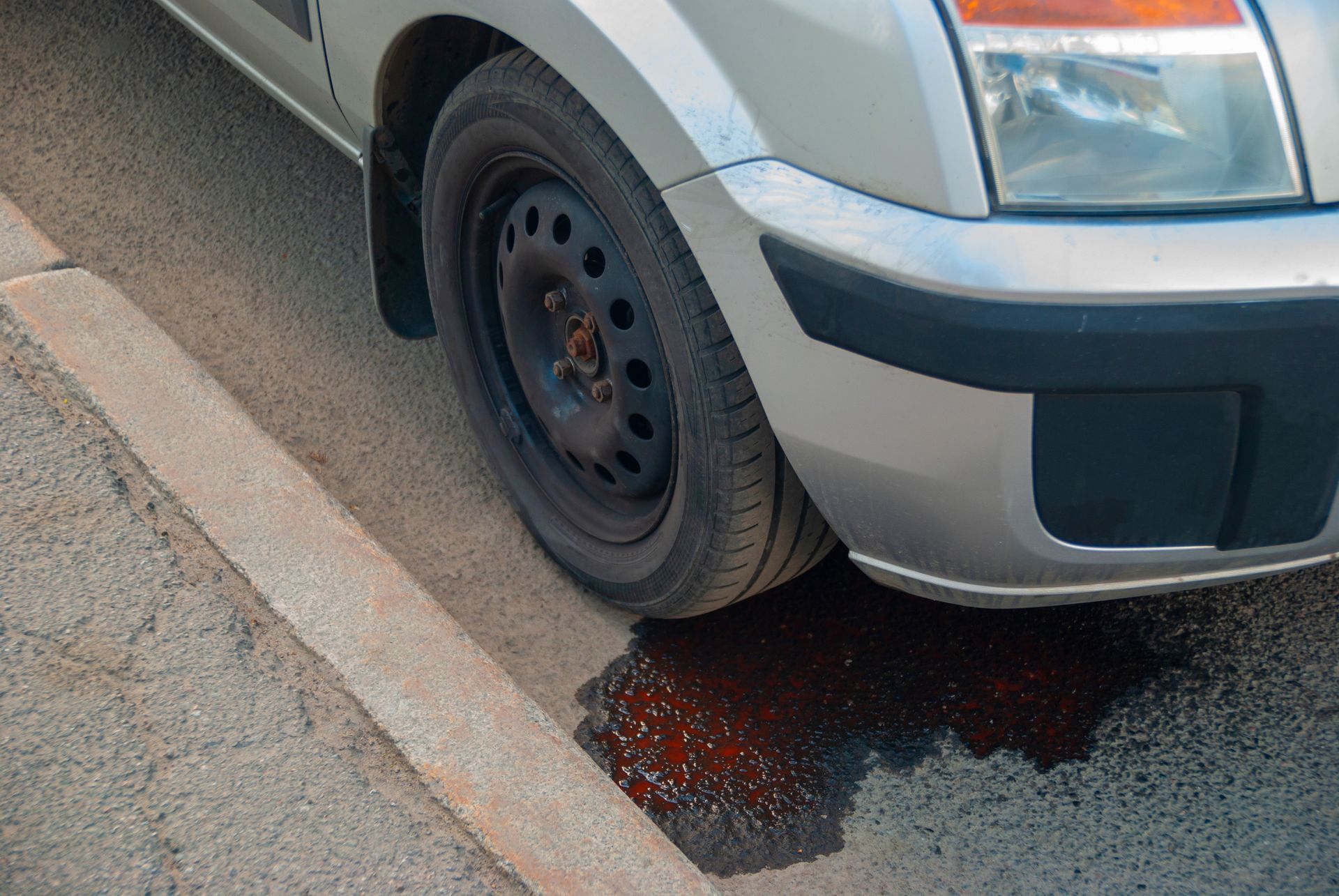
Fluids can get low, dirty, old, contaminated, or overheated. Brake fluid can absorb moisture. Coolant can lose corrosion protection. Transmission fluid can darken or smell burnt. Low fluid levels usually have a cause, and that cause should be found.
Regular maintenance helps catch fluid problems before they become overheating, brake issues, shifting trouble, or internal wear.
Warning Lights Should Not Become Background Noise
A warning light does not always mean the vehicle is about to stop running. That is why drivers sometimes ignore them. The car feels fine, so the light becomes part of the dashboard.
That is risky. A check engine light, battery light, oil warning, brake warning, ABS light, or temperature warning is there because the vehicle noticed something outside its normal range.
A steady check engine light may give you time to schedule diagnostics. A flashing check engine light, oil pressure warning, red brake light, or overheating warning needs faster attention. Clearing the light without finding the cause only hides the message.
Small Repairs Are Easier To Plan
Auto repair is less stressful when it is not a surprise. Preventive maintenance gives you a chance to plan for worn parts, aging fluids, weak batteries, tire wear, and small leaks before they interrupt your schedule.
It also helps a shop build a history on the vehicle. If a leak was dry last visit and fresh this time, that change is useful. If brake pads are wearing faster on one side, that pattern can lead to the cause.
The goal is not to make every car perfect at every visit. It is to understand what is urgent, what can wait, and what should be watched.
Get Preventive Maintenance And Auto Repair In Fitzwilliam, NH, With KG Automotive Solutions
If your vehicle is due for service, showing warning lights, leaking fluids, wearing tires unevenly, or starting to feel different, KG Automotive Solutions in Fitzwilliam, NH, can check the key systems and explain what needs attention.