Key Takeaways
- Both overfilling and running low on engine oil can cause damage. Excess oil may become aerated or enter the intake, while low oil can interrupt lubrication.
- Confirm the oil level using the vehicle’s specified checking procedure, and have a confirmed overfill corrected before normal driving.
- An oil level that rises without a top-off may indicate fuel or coolant contamination. An oil-pressure warning while driving requires a safe stop and engine shutdown.
The dipstick is a little low, so you add oil. On a second check, the level is above the upper mark. More oil sounds like more protection, but the engine is designed to work with a particular amount, including space above the oil in the pan.
Too little and too much create different problems. The seriousness depends on the engine, the amount involved, and whether it has already been run that way. A confirmed overfill should be corrected instead of being left for the engine to use up.
The Correct Oil Level Leaves Room for Normal Operation
Oil collects in the pan before the pump circulates it through the engine. The normal fill range provides the quantity needed for that circulation while keeping the oil surface where the design expects it. The upper mark is a limit for normal filling, not a target to exceed as a safety margin.
A small reading difference isn't the same as a major overfill. First, confirm the measurement using the vehicle's procedure. Uneven ground, checking too soon after shutdown, or reading oil smeared along the dipstick can create confusion. Electronic level displays also have operating conditions that must be met before the result is reliable.
Too Much Oil Can Be Churned Into Foam
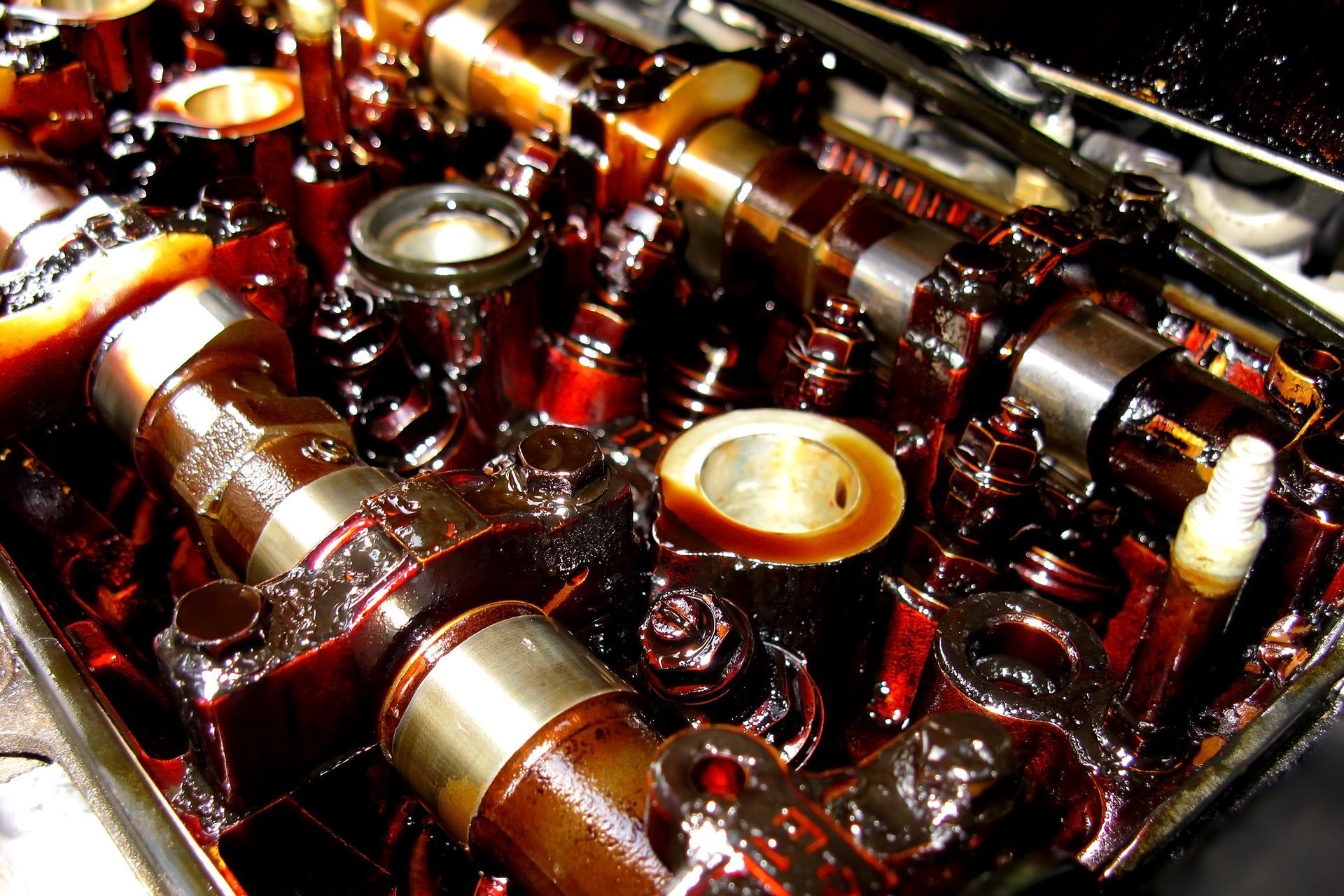
With enough excess oil, rotating parts may strike the oil surface and whip air into it. Aerated oil behaves differently from a solid supply of lubricant. Bearings and oil-operated controls need stable flow, so foam can interfere with the protection and pressure the engine expects.
How far the level must rise before this happens varies with the engine's layout. That is why a universal extra-quart allowance would be misleading. Once overfilling is confirmed, remove the excess to the required level before normal use. Don't deliberately drive hard to make the engine burn it away.
Overfilling May Push Oil Into the Intake
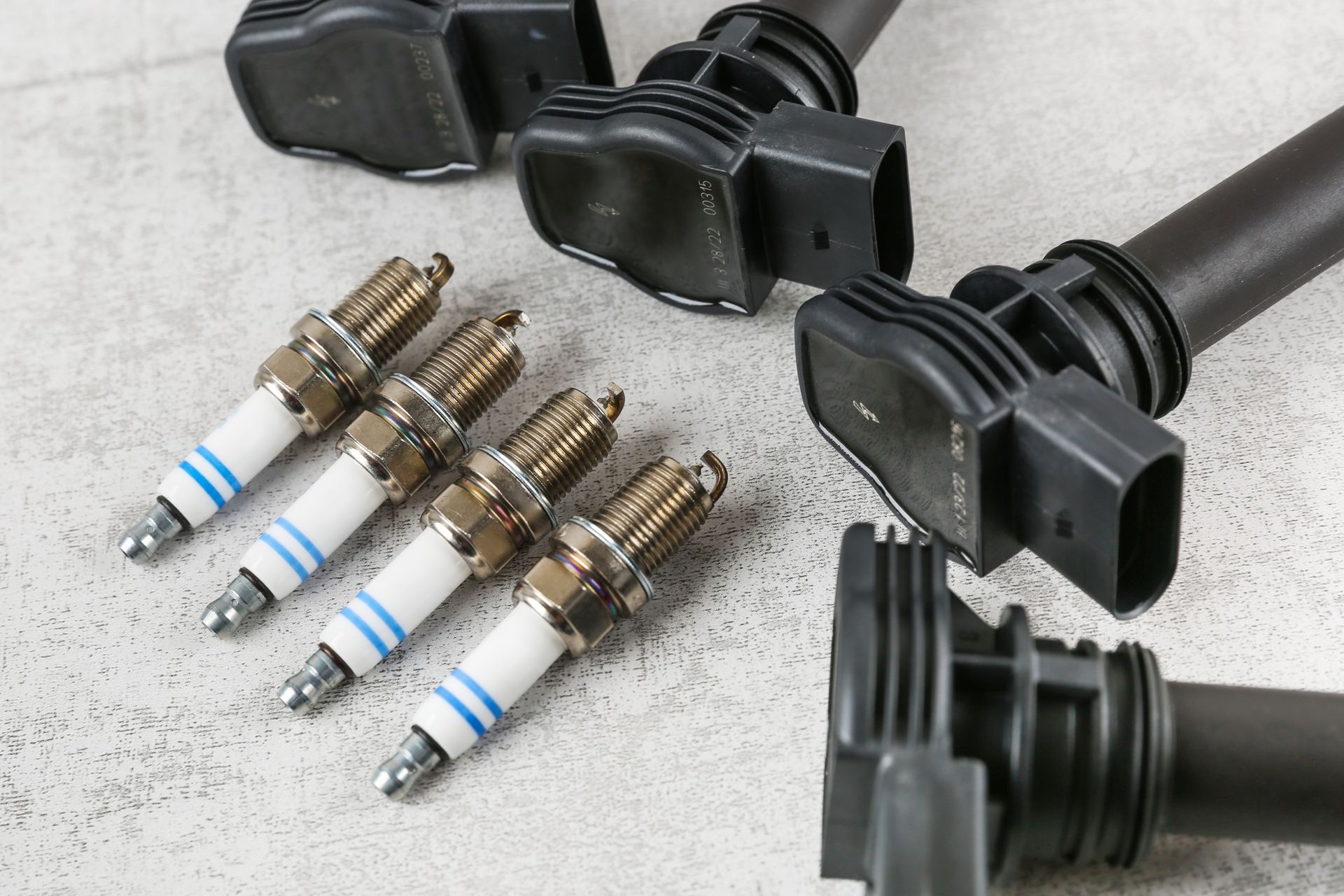
Crankcase ventilation moves gases out of the engine through a controlled route. Excess oil and abnormal oil carryover can overwhelm that arrangement and send oil toward the intake. The result may include smoke, fouled spark plugs on a gasoline engine, or rough running.
Turbocharged and diesel engines have specific reasons to be particularly vigilant about excessive oil carryover. The location of the oil and the engine’s performance dictate the necessary checks to perform. If you see smoke after an oil overfill, stop and seek advice rather than assume the extra oil will clear itself without issue.
Running Low Threatens the Oil Supply in a Different Way
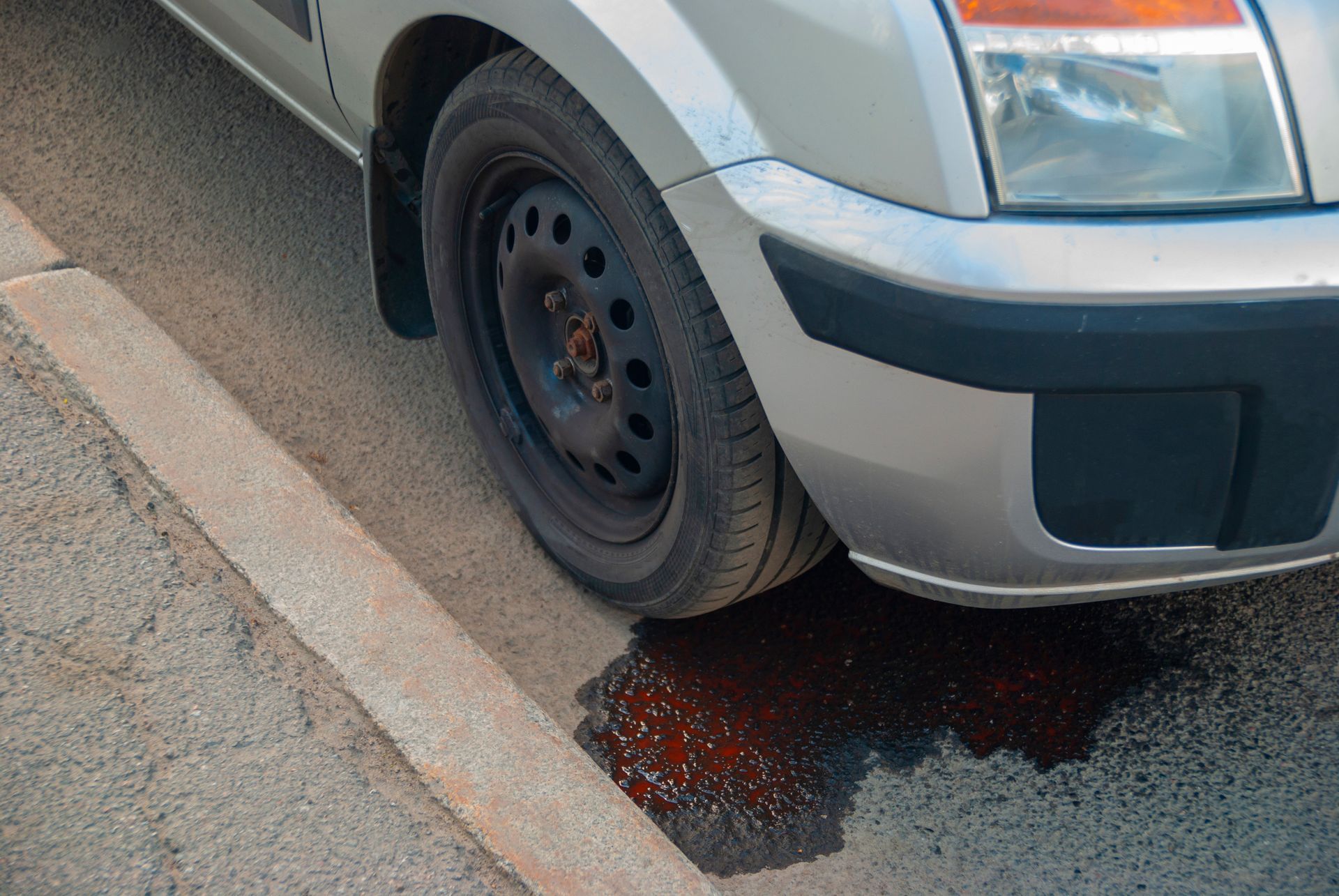
Low oil leaves less available for circulation and heat management. If the pickup loses a reliable supply during operation, pressure can fall, and moving surfaces lose their protective film. A leak or consumption problem may bring the level down well before the next scheduled change.
An oil-pressure warning while the engine is running means you should stop safely and shut it off. That instruction applies even if the dipstick later shows oil in the pan. Pressure and quantity are related, but the presence of some oil doesn't confirm the pump is delivering it correctly.
A Rising Oil Level Isn't Always Caused by Overfilling
If no one has added oil and the level is rising, something else may be entering the crankcase. Fuel dilution or coolant contamination can change both the apparent quantity and condition of the lubricant. Simply removing a little liquid doesn't correct the source.
Report a rising level, unusual oil appearance, fuel odor, coolant loss, or changes in running. Testing follows those findings. Repeated short trips may contribute to fuel contamination on some engines, while an injector or internal leak needs a different repair. The service history helps explain whether the level rose after filling or during use.
Correct an Oil Fill Using the Vehicle's Instructions
After service or a top-off, follow the required checking procedure and let the reading settle as directed. Add measured amounts instead of guessing from the bottle's remaining weight. On an engine with electronic measurement, wait for a valid result rather than adding oil repeatedly while the display is unavailable.
If the level is above the limit, arrange removal of the excess and explain how much was added. A substantial overfill or new running symptom deserves checking before another start. Keep the oil specification and quantity on the service record so the next fill begins with clear information.
Get Oil Change Service in Fitzwilliam, NH, With KG Automotive Solutions
KG Automotive Solutions in Fitzwilliam, NH, can check an uncertain oil level, correct an overfill, and investigate repeated oil loss or a rising level. Tell us whether the change followed service or developed between visits.
Contact us to schedule oil service or an engine oil-level inspection.